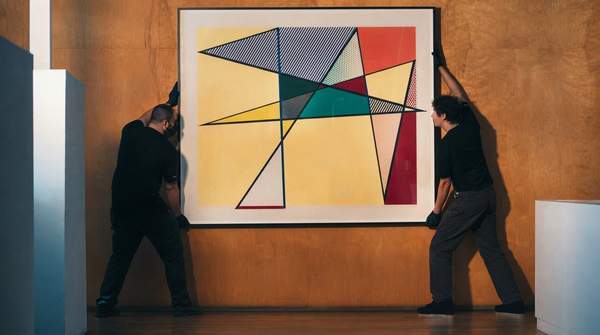
Art Basel, once a singular annual event, now stages five shows a year across continents, transforming the global art calendar into a relentless circuit of high-stakes commerce, reports The New York Times. This aggressive expansion of global art spectacles redirects critical attention and financial investment, eroding the distinctiveness and sustainability of local art scenes. Without intentional intervention, the art world risks becoming an increasingly consolidated, commercially driven spectacle, leaving authentic local artistic voices struggling for visibility and survival.
Major international galleries prioritize exhibiting at global fairs over maintaining a strong local presence. This strategy shift diminishes local engagement. The global circuit creates a gravitational pull, shifting the center of art commerce and attention away from local communities.
The Economic Gravity of Global Fairs
Booth fees for major international art fairs can exceed $100,000, making participation prohibitive for most local galleries. This financial barrier limits the visibility of emerging artists and smaller, independent venues. Wealthy collectors increasingly concentrate their purchases at a few major global fairs, leading to reduced sales for local galleries, a trend identified by the UBS Art Market Report. This consolidation of collector spending directly impacts regional art ecosystems.
Local art critics and media outlets increasingly cover global art events over regional exhibitions. This redirection of media focus marginalizes local artists and galleries. The average price point for artworks sold at Art Basel events is ten times higher than at typical local gallery shows, according to Artnet Analytics. The financial scale and media attention of global events create an uneven playing field, siphoning capital and cultural relevance from local art ecosystems.
Eroding Artistic Diversity and Local Identity
Artists whose work aligns with global market trends are disproportionately represented at major fairs, often at the expense of unique regional styles, a finding from the Curatorial Studies Review. This emphasis on globally marketable aesthetics risks homogenizing artistic expression. Cities hosting global art fairs often see a rise in commercial galleries catering to international tastes, displacing independent, experimental local spaces. This alters the character of urban cultural centers.
Young artists in smaller cities report feeling pressured to create work with international appeal rather than focusing on local narratives or aesthetics, according to a 2023 Artist Survey. This pressure stifles the development of distinct regional artistic identities. Public funding for local art initiatives often struggles to compete with the perceived prestige and economic impact of attracting major international events. This commercial gravitational pull dictates artistic production and curatorial choices, risking a future where art becomes a homogenous product rather than a reflection of diverse human experience.
The continued expansion of Art Basel could solidify its dominance, compelling independent galleries to adapt or face diminished visibility in a market increasingly defined by a few colossal events.