The historic merger of Paramount and Warner Bros. Discovery is complete, forging a new global entertainment leader named Skydance. The deal, which unites iconic properties from Batman and Harry Potter to CBS and HBO under one corporate umbrella, immediately sets in motion a series of profound changes for the industry. For professionals and investors, the most significant immediate impacts fall into three key areas: a massive financial overhaul defined by a multi-billion-dollar cost-cutting mandate, the installation of a new executive team to steer the colossal enterprise, and the consolidation of one of the world's most powerful content and distribution portfolios.
Operational Overhaul: The $6 Billion Cost-Cutting Mandate
Skydance has immediately signaled a sharp focus on financial discipline, promising investors it will achieve $6 billion in cost reductions over the next three years. According to company projections, the first year alone is targeted for $2 billion in savings, with the majority of the remaining cuts planned for the second year. This aggressive target is expected to have a significant impact on the company's workforce. TD Cowen Global Research media analyst Doug Creutz stated plainly, “They are going to be firing a lot of people.” While the company has not detailed specific job cuts, the consolidation of duplicated services, such as marketing and infrastructure departments, is a primary area for restructuring.
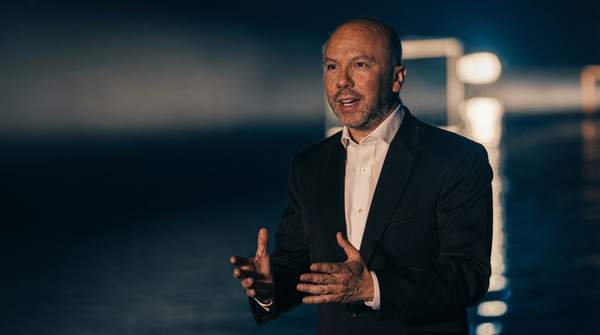
During a press briefing, Skydance President and COO Ynon Kreiz sought to frame the savings strategy more broadly, noting that the company would achieve efficiencies by combining the technologies that support its various streaming services and by consolidating marketing expenditures. Skydance also plans to reduce its real estate footprint by moving employees to company-owned properties in Santa Monica, Hollywood, and Burbank. The financial restructuring is a direct response to the high cost of the acquisition, which left the new company with a reported $86.8 billion in total debt.
New Leadership at the Helm: Guiding Skydance's Future
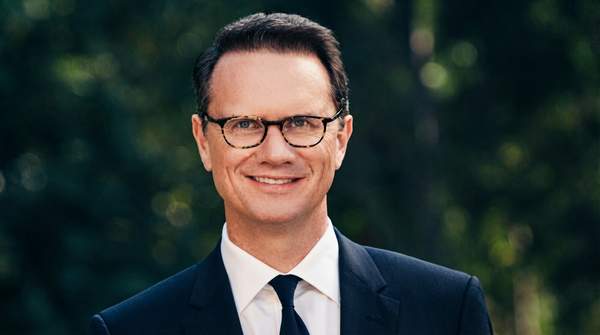
A new leadership structure has been established to manage the integration and guide the company's strategic direction. David Ellison, who formed the original Skydance studio two decades ago, will serve as Chairman and CEO. A company statement outlined that Ellison will concentrate on long-term strategy, creative vision, and managing relationships with talent and strategic partners. Day-to-day management and the complex task of integrating the two legacy companies will fall to Ynon Kreiz, who assumes the roles of President and Chief Operating Officer.
Key leadership roles for major divisions have also been confirmed. Dennis Cinelli, formerly Paramount's CFO, will hold the same position at the new Skydance. In the crucial news divisions, Bari Weiss remains as editor in chief of CBS News, and Mark Thompson continues as chair and editor in chief of CNN; both will serve on the CEO's News Executive Leadership Team. The company's formidable sports operations will be unified under David Berson, the former chief of CBS Sports.
Immediate Impacts of the Skydance-Paramount Merger
| Impact Area | Key Finding | Details |
|---|---|---|
| Operational | Cost-Cutting Plan | Skydance has set a target of $6 billion in cost reductions over three years, with $2 billion anticipated in the first year. An analyst from TD Cowen Global Research expects this to result in significant job cuts. |
| Leadership | Overall Strategy & Creative Vision | David Ellison serves as Chairman and CEO, focusing on long-term strategy, creative vision, and talent relationships for the combined entity. |
| Leadership | Day-to-Day Management & Integration | Ynon Kreiz is President and COO, responsible for daily operations and overseeing the integration of the former Paramount and Warner Bros. Discovery companies. |
| Leadership | News Divisions | Bari Weiss continues to lead CBS News and Mark Thompson continues to lead CNN, maintaining leadership for the distinct news brands within the new structure. |
| Asset | Streaming Subscriber Base | The combined company's streaming platforms, including HBO Max and Paramount+, serve a global audience of over 200 million subscribers. |
| Asset | Film & TV Library | In a press release, Skydance described its combined film and television library as the "most diverse of any studio," featuring franchises from Top Gun to Harry Potter. |
| Asset | Major Sports Rights | The new entity holds a powerful portfolio of sports rights, including the UFC, professional golf, the NHL, MLB, NCAA basketball, and European rights for the Olympics. |
Consolidating Content Power: A Vast Media Empire
The merger creates a content and distribution powerhouse of immense scale. In an official statement, Skydance announced it begins from a "position of strength," citing its combined assets. The company now possesses what it calls the "most diverse film and television library of any studio," uniting cherished properties like Batman, Bugs Bunny, SpongeBob SquarePants, and Top Gun. This library will serve a global streaming audience that exceeds 200 million subscribers across its various platforms.
Beyond its film and television franchises, Skydance commands an unmatched portfolio of live sports rights. The combined company holds broadcast rights for the UFC, professional golf including the Masters tournament, the National Hockey League, Major League Baseball, and NCAA basketball's March Madness tournament. It also holds European rights to televise the Olympics, giving it a significant competitive advantage in the lucrative and audience-driving sports market. This consolidation of premium content is central to the company's strategy to drive growth and engage audiences in more than 200 countries and territories.
Navigating the New Media Landscape
For those in the industry, the formation of Skydance marks a pivotal moment that demands strategic reassessment. Industry professionals and investors should monitor Skydance's execution of its cost-cutting plan, the integration of its streaming services, and the performance of its new leadership team to adapt their strategies. The coming quarters will be critical in demonstrating whether the new giant can successfully merge its distinct corporate cultures and assets while servicing its significant debt load. The key measurable indicators of its progress will be found in its publicly announced quarterly earnings reports, subscriber growth figures, and executive statements regarding integration progress and content strategy.