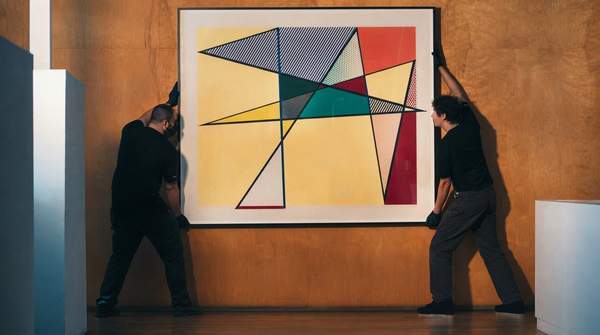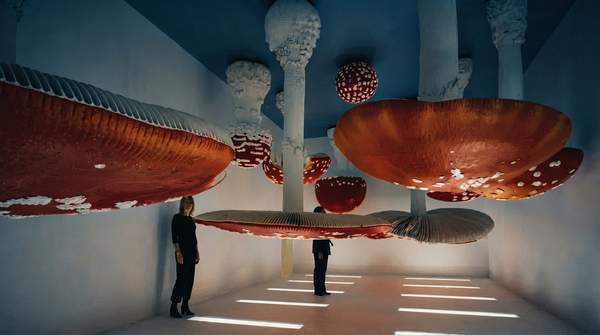
Contemporary art installations often transform gallery spaces into immersive environments, inviting viewers into a unique dialogue with the artwork. Understanding these large-scale, mixed-media constructions involves recognizing their underlying conceptual frameworks and the deliberate strategies artists employ to engage the audience. By identifying these elements, art enthusiasts and gallery visitors can move beyond mere observation to a deeper appreciation and interpretation of the artist's intent and the artwork's impact.
Installation art distinguishes itself from traditional art forms by prioritizing a complete, unified experience for the viewer, rather than focusing on individual objects. This emphasis on experience aims to provide an intense encounter, challenging the perceived limitations of earlier art movements that sometimes foregrounded representation over direct engagement.
What is Installation Art?
Installation art describes large-scale, mixed-media constructions that are often designed for a specific place or for a temporary period. These artworks, sometimes referred to as "environments," typically occupy an entire room or gallery space, compelling the spectator to walk through or around them to engage fully. The core characteristic of installation art is its ability to transform a viewer's experience of an interior space through a combination of mediums, interactivity, and immersive elements.
The emergence of installation art was influenced by avant-garde movements such as Minimalism, Environmental Art, Land Art, Conceptual Art, and Performance Art. These movements reacted against what was seen as the commodification of artwork, the emphasis on representation over experience, and the constraints of a singular, detached encounter with art. Installation art, as a mode of production and presentation, offers a complex and multifaceted engagement that reflects a fragmented and contingent representation of experience.
While some installations are designed for contemplation from a distance, others are so fragile they can only be viewed from a doorway or one end of a room. Regardless of the specific interaction, the focus remains on how the viewer experiences the work, aiming to create a unified and intense encounter. This approach became a dominant format, particularly for large-scale and spectacular works, with the increase in new venues and international exhibitions in the 1980s.
Conceptual Frameworks: The Ideas Behind the Art
The conceptual framework of an installation provides the intellectual backbone, guiding the artist's choices and shaping the viewer's experience. Key frameworks include site-specificity, immersion, and social commentary, each with distinct artistic intents.
One foundational concept is site-specificity, where an installation is created specifically for a particular location, making the environment an integral element of the artwork. This approach considers the history, architecture, or social context of the space, rendering the work inseparable from its surroundings. For instance, artist Shelagh Keeley described her ephemeral wall drawing as "a piece about the building as it was before," aiming to "bring that space and time into another." While early forms of installation art heavily emphasized site-specificity, more recent iterations often adapt to the interior conditions of exhibition spaces, or are project-based, rather than strictly tied to a permanent location.
Immersion as a conceptual framework aims to engage multiple senses and encourage the audience's physical presence, making them an essential part of the artwork. These environments often utilize elements such as light, sound, texture, scale, and movement to transform the space, enveloping the viewer and disrupting their typical perception. This grand scale allows installations to create powerful, all-encompassing experiences that cannot be fully captured or replicated through photographs or online viewing.
Installations can also serve as a platform for social commentary, creating narratives that address global issues and invite contemplation. This approach is often influenced by socially engaged and relational art, which emerged in the 1980s and 1990s. It reflects a reawakening of interest in conceptual art, shifting the focus from purely aesthetic objects to ideas and interactions within a social context. Large-scale installations might recreate environments associated with specific events or communities, allowing viewers to experience complex ideas in a more direct and emotional manner, fostering reflection and discussion.
Audience Engagement Strategies: Activating the Viewer
Beyond their conceptual underpinnings, contemporary art installations actively employ various strategies to engage and activate the viewer, transforming passive observation into an interactive experience. These strategies are crucial to how the artwork communicates its message and creates its impact.
Participatory elements are central to many installations, inviting direct interaction or making the viewer's physical presence integral to the artwork's meaning. This can involve walking through a piece, touching certain components, or even contributing to the artwork's ongoing evolution. As artist Ilya Kabakov noted, "The main actor in the total installation, the main center toward which everything is addressed, for which everything is intended, is the viewer." This emphasis on interaction is particularly evident in project-based and discursive forms of installation, where the activation of the viewer through active engagement is paramount.
Another powerful strategy is multi-sensory input, where installations create rich experiences through the deliberate use of light, sound, texture, scale, and movement. These elements work in concert to transform the exhibition space, encouraging deeper engagement by stimulating multiple senses simultaneously. For example, sound, architecture, objects, and moving images can combine to create powerful narratives. These physical encounters are unique to the in-person experience and cannot be fully replicated through photographs or online viewing, underscoring the importance of direct interaction.
Contemporary installations also leverage their visual impact for digital sharing. Large-scale, immersive environments often produce visually striking images that attract attention online, encouraging visitors to photograph and share their experiences. This extends the reach of exhibitions far beyond the gallery walls. While some critics suggest that social media can encourage superficial engagement, many artists successfully use these platforms to introduce wider audiences to contemporary art, recognizing installation art's suitability for an era where cultural experiences are frequently documented and shared digitally.
Understanding Installation Art: An Explanatory Model
This model provides a structured framework for analyzing and interpreting contemporary art installations, connecting their conceptual foundations with the ways they engage the audience.
| Conceptual Framework | Engagement Strategy | Artist's Goal | Reader Experience |
|---|---|---|---|
| Installation Art (General) | Unified, intense encounter | To create a complete, immersive experience rather than focusing on individual objects. | Recognizing the artwork as a transformed space designed for a unique physical encounter. |
| Site-Specificity | Location as integral element | To integrate the specific history, architecture, or social context of a place into the artwork. | Understanding how the physical location itself contributes to the artwork's meaning and impact. |
| Immersion | Multi-sensory input (light, sound, texture, scale, movement) | To engage multiple senses and require the audience's physical presence, making them part of the artwork. | Feeling enveloped by the artwork, experiencing it physically and emotionally through sensory stimuli. |
| Social Commentary | Narrative structures, invitation to contemplation | To address global issues, provoke thought, and shift focus from aesthetic objects to ideas and interactions. | Reflecting on broader societal issues and engaging in discussion prompted by the artwork's narrative. |
| (Implied) Conceptualism | Participation, interaction | To prioritize the idea or concept behind the work over the finished art object, often through viewer involvement. | Actively contributing to or influencing the artwork's meaning through direct interaction or presence. |
Interpreting Installation Art: Practical Tips for Visitors
Approaching contemporary art installations with an informed perspective can significantly enhance your gallery experience. Rather than feeling lost, visitors can employ "detective methods" and "emotional archaeology" to uncover the layers of meaning within these often-complex works, as suggested by Art Explained SIMPLY. Installation art can be more accessible than traditional paintings because it often prioritizes direct experience.
First, recognize that installation art offers a unique physical encounter within a transformed space. The artist's intent is often to create a unified, intense experience that cannot be fully appreciated through photographs alone. Therefore, allow yourself to be present and engage with the environment. Walk through the space, observe how light, sound, and objects interact, and pay attention to how your own movement and presence affect your perception of the work.
Consider the artwork's relationship to its surroundings. If it is site-specific, ponder how the location's history, architecture, or social context might be integrated into the piece. If it's an immersive work, identify the sensory elements at play—the sounds, textures, or visual effects—and how they contribute to the overall atmosphere. Ask yourself how these elements make you feel and what ideas they evoke.
Finally, be open to the narrative or social commentary the installation might be presenting. Many contemporary installations engage with global issues, inviting reflection and discussion. Your personal interpretation and emotional response are valid parts of the experience. By actively considering the conceptual frameworks and engagement strategies, you can confidently navigate and appreciate the rich, multifaceted world of contemporary art installations.
Enhancing Your Gallery Experience
To fully appreciate contemporary art installations, actively engage with the artwork by considering its conceptual framework and how it attempts to engage your senses and participation. The reader will be able to identify at least one conceptual framework (e.g., site-specificity, immersion, social commentary) and one engagement strategy (e.g., multi-sensory, participatory) in a new installation they encounter.
Sources
- Installation art — Tate
- Installation Art - IMMA
- Installation Art Movement Overview — The Art Story
- Why Installation Art Has Become Central to Contemporary Practice — Serenade Magazine - Visual Arts & Photography
- Facebook post
- TikTok - Make Your Day