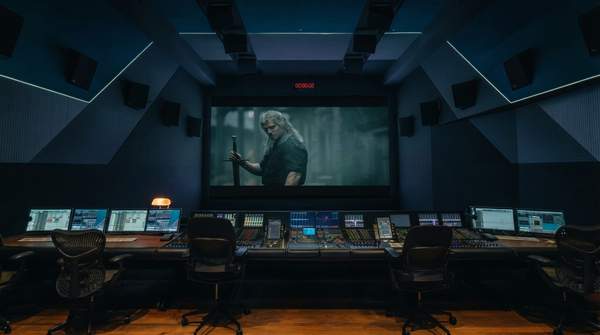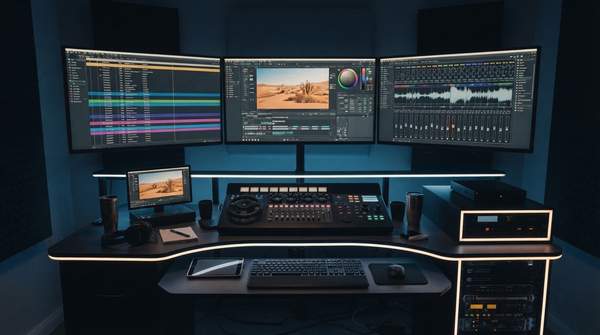
In the world of animation, sound design is the unseen architect, constructing the auditory environments that give life to characters and make imagined worlds feel tangible. While visuals may capture the eye, it is the carefully crafted soundscape that transports an audience, deepens the narrative connection, and amplifies emotional responses. From the subtle rustle of leaves to the complex roar of a fantasy creature, sound design uses a combination of practical techniques and narrative theory to captivate viewers and make them believe in the story unfolding on screen.
Crafting the Sonic Palette: Foley, Synthesis, and Layering
The sounds that populate an animated film are rarely captured by a single microphone on set. Instead, they are meticulously built from the ground up using several core techniques. According to the creative industries skills body ScreenSkills, sound designers for animation primarily employ foley, synthesis, and layering to create a rich and believable audio experience.
Foley is the art of recording real-life sounds to match the action on screen. Foley artists work in studios, manipulating various objects to meticulously recreate everyday noises. This process often involves creative substitution; for example, the sound of frying bacon can be used to simulate the sound of rain. This technique grounds the animated world in a recognizable reality, even when the visuals are fantastical.
Synthesis, in contrast, involves creating sounds entirely from scratch using computer software. Sound designers can synthesize new sounds or manipulate existing recordings to produce unique and impactful sonic events. This method is indispensable for animation, allowing for the creation of sounds that have no real-world equivalent, such as the voice of a mythical beast or the hum of a futuristic city.
Layering is a technique that combines multiple sounds to create a single, more complex new one. By layering different audio elements—whether from foley or synthesis—a sound designer can build richer, more nuanced sonic textures that add depth and detail to the environment and action.
Sound's Narrative Role: A Classification Framework
Beyond the technical creation of sounds lies their narrative purpose. The impact of a sound depends heavily on its relationship to the story's world, a concept known as diegesis. Understanding this framework is key to analyzing how sound influences an audience's perception and emotional journey. Sounds are generally classified as either diegetic or non-diegetic, though filmmakers often intentionally blur the line between them for artistic effect.
Diegetic Sound: The World's Own Voice
Diegetic sounds are those that originate from within the story world. These are the sounds that the characters themselves can hear, such as dialogue, footsteps, or a car driving by. The function of diegetic sound is to establish a believable and immersive auditory environment. By using specific ambient noises and sound effects, designers establish the mood and context of the animated world, whether it's the tranquility of a forest or the chaotic energy of a city. This auditory layering supports the visuals and makes the world feel more tangible, deepening the viewer's connection to the narrative.
Non-Diegetic Sound: Guiding Emotion and Narrative
Non-diegetic sounds exist outside the story world and are not heard by the characters. The most common example is the film's musical score, but this category also includes narration and certain sound effects added for dramatic emphasis. These elements are crucial for shaping viewer perception and emotional responses. A musical score can underscore key moments, build suspense, or evoke sadness, serving as the emotional backbone of a production. Non-diegetic sound is a powerful tool for enhancing emotional depth and guiding audience engagement with the story.
The Blurring Lines: When Soundscapes Overlap
The distinction between diegetic and non-diegetic sound is not always a strict binary. An academic analysis by Jan Krzysztof Nosal highlights a "grey area" where these categories intersect. Sound designers can stretch the boundaries of diegesis for stylistic purposes, creating moments of powerful audiovisual experience. For instance, sound effects can take on musical qualities like pitch, timbre, and rhythm, blending the realism of a diegetic sound with the emotional guidance of a non-diegetic score. This intentional ambiguity allows filmmakers to create unique narrative and emotional impacts that a rigid classification would not permit.
Applying the Framework: Listening with New Ears
Understanding the techniques of foley, synthesis, and layering, combined with the narrative framework of diegetic and non-diegetic sound, transforms the experience of watching an animated film. It moves the viewer from passive hearing to active listening, revealing the intricate artistry that occurs just beyond the edge of the frame. By paying attention to the sonic details, one can appreciate the deliberate choices made to build a world, define a character, or elicit a specific feeling.
The reader should actively listen to animated films, identifying sound creation techniques and classifying sounds as diegetic, non-diegetic, or a blend, to deepen their appreciation of the film's artistry. With this knowledge, the viewer is equipped to analyze the sonic story being told alongside the visual one. The reader will be able to articulate how specific sound choices in an animated scene contribute to its emotional impact or world-building, recognizing the profound role sound design plays in bringing animated stories to life.