Generative artificial intelligence has moved from experimental novelty to production tool in film and television, and the law has not kept pace. In the United States, three distinct conflicts now define the landscape: whether AI-assisted work can be copyrighted at all, whether training AI models on copyrighted material is legal, and whether creative professionals can protect their compensation, artistic control, and likenesses. The U.S. Copyright Office has staked out a firm position on the first question—human authorship is required—while the second remains unresolved in the courts, and the third is being fought out in collective bargaining rooms rather than courtrooms.
Setting the Stage: AI's Impact on Film and Television
Since launching an initiative in early 2023, the U.S. Copyright Office has been examining the copyright questions raised by artificial intelligence, including the scope of copyright in AI-generated works and the use of copyrighted materials in AI training. After public listening sessions and a notice of inquiry published in the Federal Register in August 2023—which drew more than 10,000 comments by that December—the Office began issuing a multi-part report analyzing the issues. That an agency devoted to registering creative works felt compelled to mount such an inquiry signals how thoroughly AI has unsettled assumptions that governed entertainment for over a century.
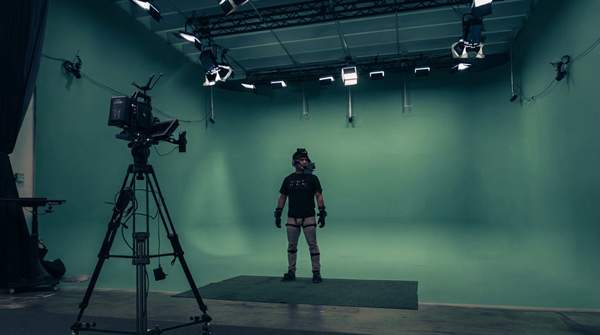
The disruption is not hypothetical. Legal analysis of AI in entertainment notes that streaming platforms already use AI to personalize recommendations and that studios employ AI-driven sentiment analysis to tailor promotional strategies. The same analyses identify concrete harms: automation threatens traditional roles for writers, editors, and visual artists, while AI-generated digital replicas that can mimic an actor's voice or likeness without consent have sparked debates over ethical and legal protections. The technology's reach into both the business and the craft of filmmaking is why guilds, studios, and regulators are all moving at once.
The Human Authorship Standard: Copyrighting AI-Generated Content
The central legal boundary is the Copyright Office's position that works are not copyrightable unless sufficient human creativity is involved. The Office has consistently maintained that human authorship is a prerequisite for protection, a position supported by recent court decisions. The underlying principle is that copyright protects the human expression of ideas—not the ideas themselves, and not works generated autonomously by machines.
For filmmakers and showrunners, the practical consequence is that a purely AI-generated scene, image, or script element sits in the public domain: no one owns it, and no one can stop a competitor from copying it. But the Office has clarified that if a human provides significant creative input—such as editing, arranging, or selecting AI-generated elements—a work might be eligible for copyright protection. The extent of human involvement and control becomes the crucial factor. A director who uses AI to generate raw footage and then substantially reworks it stands on much firmer ground than one who prompts a model and ships the output. Legal commentary cautions that this ruling does not fully address the complexities of human-AI collaboration, and the line between human authorship and machine generation is still being refined through registration decisions and litigation.