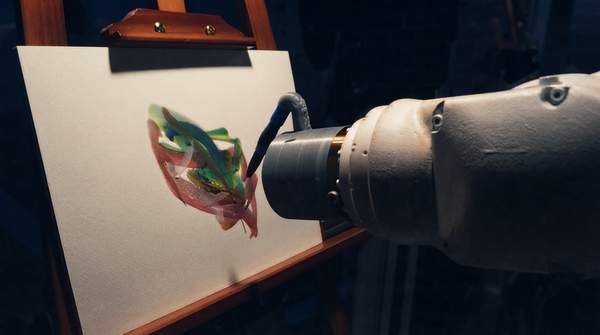
When an image is generated by a text-to-image model, no single ethical verdict applies. The pressing questions are specific: who can claim authorship, whether the training data was used with consent, what happens to the working artists whose styles and labor sit inside the machine, and whose cultural assumptions the outputs reproduce. This article organizes those debates into a working evaluation checklist, and it is not legal advice on copyright infringement.
Introduction: Navigating the Ethical Landscape of AI Art
Text-to-image systems have moved machine-generated imagery from a technical curiosity to something artists, educators, and audiences encounter routinely. That ubiquity is precisely why a considered response matters. As Scott Stroud notes in his analysis for the Center for Media Engagement, DALL-E 2 and similar tools "showcase myriad ethical challenges," and a simple reaction of enthusiasm or dismissal flattens distinctions that deserve scrutiny.
The debates cluster into four recurring themes: authorship and originality, data and intellectual property, labor and economic impact, and bias in generated content. None is fully settled, and some involve contested legal ground. The framework below treats them as distinct questions rather than one fused anxiety, because a work that raises serious data concerns may be relatively untroubling on bias, and vice versa.
The Core Ethical Dilemmas in AI Art
Authorship is the most philosophically visible issue. AI-generated art challenges traditional notions of creativity and the value of human artists, raising the question of whether the person who writes the prompt, the company that built the model, or the humans whose work trained it deserves recognition as a creator. Closely related is originality: commentators worry that machine output can replicate the uniqueness and distinction of human artists, diminishing the singularity that traditionally anchored artistic value.
Behind those aesthetic questions sits a material one. Writing on the implications for creative professionals, Dirk deRoos observes that AI-generated art "can disrupt traditional creative markets and raise concerns about human labor in the creative process." The same systems may violate human authors' intellectual property rights by using existing works to create new art. Stroud's analysis adds algorithmic bias and the potential for harmful or culturally insensitive outputs to the list—concerns echoed in a Stanford CRAFT teaching resource built around defining ethical issues in AI artwork, including copyright, consent, and bias.