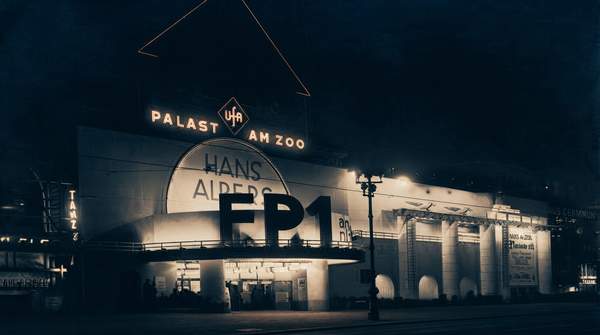
German Expressionist cinema emerged not merely as an artistic style but as a visceral response to a society in turmoil. Rejecting realism, filmmakers of Germany’s Weimar Republic used a distinct and unsettling visual language to project the subconscious fears, psychological distress, and social anxieties of a nation grappling with the aftermath of war. The movement’s core principle was to forsake objective reality in favor of a distorted world that could visually manifest internal thoughts and feelings. Through exaggerated mise-en-scène—the deliberate arrangement of everything in the frame—directors created nightmarish landscapes, shadowy atmospheres, and grotesque characters that served as a dark mirror to the German psyche of the 1920s.
The Anxious Cradle of Expressionism
The visual and narrative preoccupations of German Expressionism were born from the specific historical conditions of the post-World War I Weimar Republic. This era was marked by profound disillusionment and a deep-seated discontent with German governance. According to an analysis in the journal Grit, the movement aimed to convey these sentiments both visually and through its stories. Rather than simply critiquing historical events, Expressionist works often unleashed what one scholar cited by the journal called "apocalyptic maledictions against their society." This despondency was a direct reaction to the social and political shifts of the time, channeling a sense of hopelessness about the possibility of social change.
Filmmakers developed a style that used symbolism and mise-en-scène to explore the unsettling fringes of human experience, reflecting the dark times in which they lived. The goal was to represent a distorted reality that could illuminate subconscious feelings and ideas. This approach produced films characterized by bizarre, off-balance settings with distorted buildings, misshapen objects, and an emphasis on eccentric or mentally ill characters. The result was a cinematic world that felt more like the stuff of nightmares than reality, a direct externalization of the era's pervasive anxiety and psychological turmoil.