The long take—a single, uninterrupted camera shot—is one of cinema's most demanding techniques, and its power lies in what it refuses to do: cut. By withholding the edit, a director forces the audience to experience time as the characters do, in real and unbroken duration. The results vary dramatically depending on intent. Orson Welles used a three-minute crane shot in Touch of Evil to build unbearable suspense around a car bomb; Martin Scorsese's famous "Copacabana Shot" in Goodfellas turned an unbroken Steadicam glide into a statement about status and access; and Alejandro González Iñárritu's Birdman stitched an entire film into the illusion of one continuous shot to trap viewers inside its protagonist's unraveling mind. Same technique, three entirely different narrative outcomes.
The Long Take: An Unbroken Cinematic Journey
First, a necessary distinction, because the terminology invites confusion. A "long shot" is a type of framing—a wide view that places subjects at a distance within the frame. A "long take," by contrast, is defined not by what the camera sees but by how long it sees it: a shot sustained without a cut, sometimes called a "oner" or sequence shot. The two have nothing inherently to do with each other, and conflating them obscures what makes the long take distinctive as a craft decision.
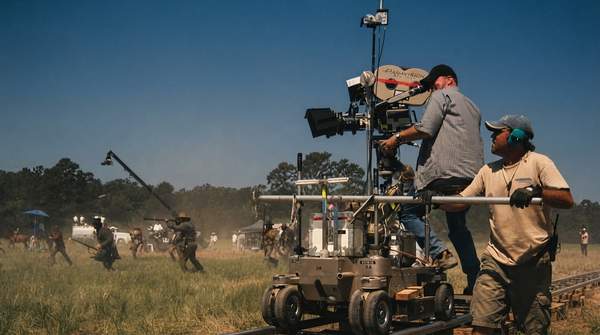
What makes the technique genuinely challenging is that everything must work at once. Blocking, lighting, focus, and performance have to align for the full duration of the shot, because there is no edit to rescue a mistake. Film production resources that analyze the technique emphasize that long takes require careful planning and execution; when they succeed, they become a powerful tool that captivates and engages the audience. That difficulty is precisely the point. A director who chooses a long take is trading the safety of the cut for the authority of continuous time—and the payoff, as the case studies below show, can be suspense, thematic depth, or total immersion.