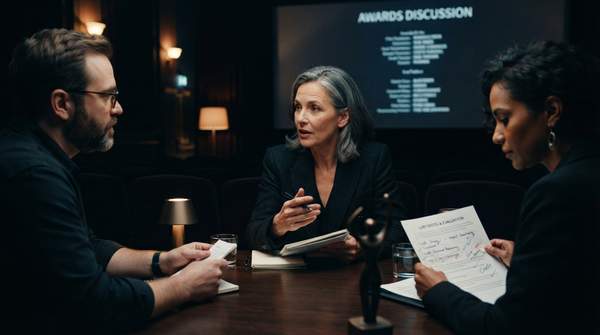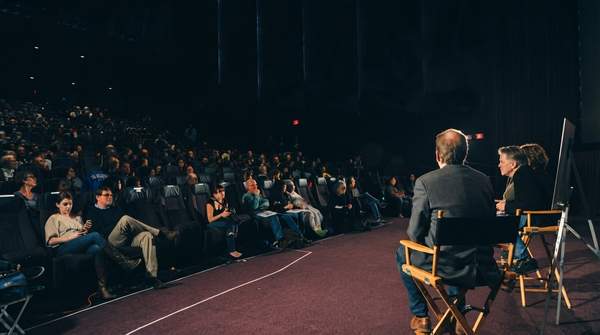
The modern film festival programmer is no longer simply a tastemaker who watches submissions and picks the strongest films. The role has expanded into a three-part profession: curating a lineup, actively developing filmmakers' careers, and facilitating connections between creators and the industry marketplace. Suzanne Ballantyne, who writes about her years as a festival selector and artistic director at Raindance, describes the shift plainly: the programmer's job has grown "to not only curating films and managing a team but also navigating this evolving ecosystem" of streaming platforms and new distribution channels.
The Evolving Role of the Film Festival Programmer
At its foundation, festival programming has always been an act of judgment on behalf of an audience. Ballantyne, who worked as a selector for the Toronto International Film Festival in the early 1980s, frames film selection as "the key to its success" for any festival. But her account of the profession's trajectory makes clear that selection is now only one strand of the work. She writes that it is "the responsibility of the festival programmer to ensure the festival remains true to its roots while evolving with the times"—a mandate that reaches well beyond the screening room into a festival's identity, its relationships, and its place in a changing industry.
Reporting by Ada Tseng in the Los Angeles Times on how to break into the profession captures the same breadth. Programmers, she reports, are "screening submissions throughout the year to get the final selections; they're building relationships with filmmakers and other industry members; they're providing support for up-and-coming talent." The through-line of that description is impact: their work "helps films continue to have impact beyond the time audiences are watching it."